A jawbone implant can restore missing teeth and the jaw structure that supports them. This short guide explains what a jawbone implant is, who might need one, the main types of procedures, what to expect during treatment and recovery, costs, and how to choose a provider. Read on to learn whether a jawbone implant could help your smile and chewing, and how Woodlawn Dental Center can support your care.
What Is a Jaw Bone Implant?
A jaw bone implant is a surgical post placed into the jaw to replace a missing tooth root. It supports a crown, bridge, or denture and helps preserve jaw bone by transmitting chewing forces into bone, which prevents bone shrinkage. Over time, the implant fuses with bone (osseointegration) so it acts like a stable, long-lasting root.
Who Needs a Jaw Bone Implant?
People who have one or more missing teeth, loose dentures, or bone loss after extractions are common candidates. Signs to watch for include sinking or changing jaw shape, difficulty chewing, speech changes, or dentures that slip. A dentist evaluates your mouth, bone levels, and overall health to decide if a jawbone implant is the best option.
Types of Jaw Bone Implant Procedures
Standard endosteal implants
Endosteal implants are the most common. They work for single-tooth replacement and for several teeth using multiple posts to support crowns or bridges. They fit into the jawbone and, after healing, hold final restorations securely.
Bone grafting and sinus lifts
If your jawbone is too thin or low, a bone graft builds up volume so an implant will be stable. Sinus lifts raise the sinus floor in the upper jaw to create room for implants. Grafting adds time and cost but improves long-term success.
Full-arch solutions
For many missing teeth, implant-supported dentures or fixed zirconia bridges can restore a full arch. These options use several implants to support a denture or a fixed bridge, offering better chewing and a more natural feel than traditional dentures.
What to Expect During the Jaw Bone Implant Process
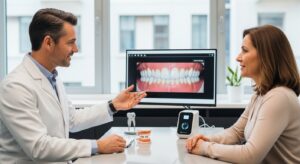
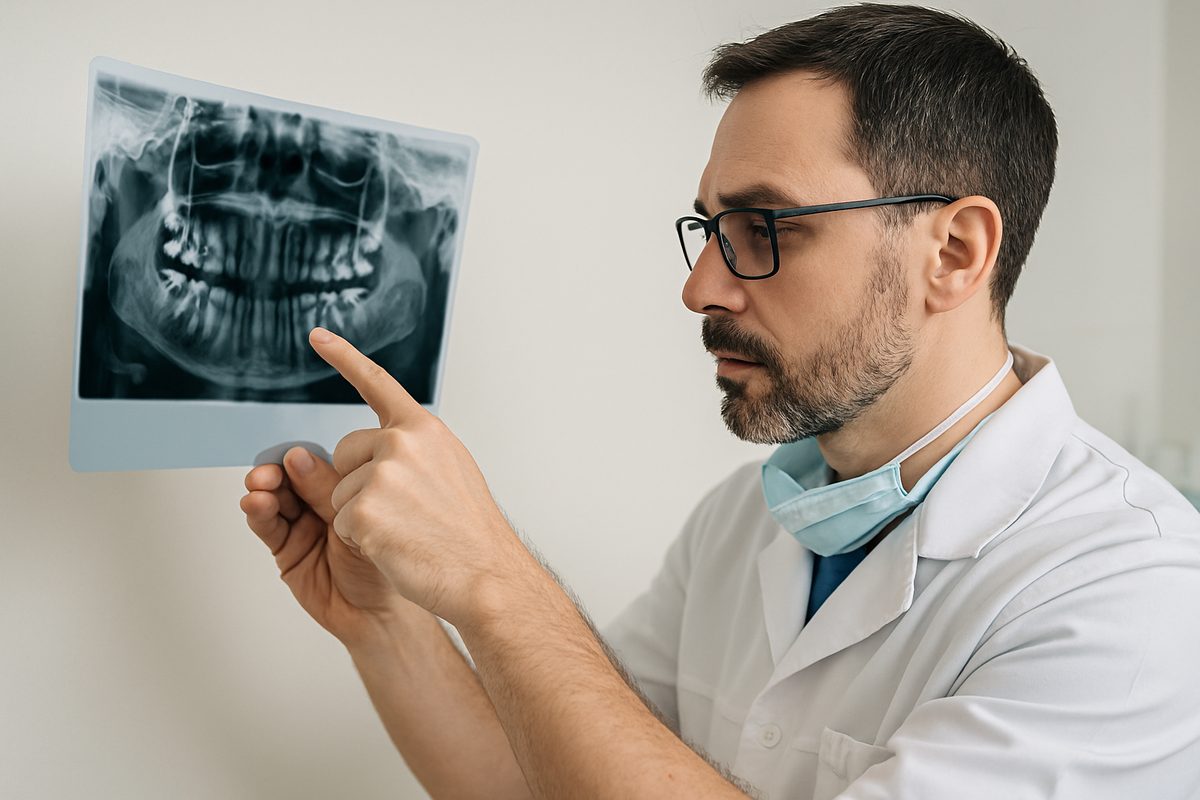
Typical steps include a consultation with 3D imaging, treatment planning (often with guided implant surgery), placement of the implant, a healing period for osseointegration, and then the final crown or denture. Guided surgery improves placement accuracy. Timelines vary: simple cases can take a few months; grafting or full-arch work can take longer.
Recovery, Aftercare, and Success Rates
Short-term recovery includes pain control, soft foods, and careful oral hygiene. Watch for persistent swelling, fever, or severe pain—those can signal complications. Success rates for modern implants are high (often over 95%) when patients have good oral health, control gum disease, and avoid smoking.
Costs, Insurance, and Financing for Jaw Bone Implants
Costs depend on the number of implants, grafting, materials, and lab work. Insurance may cover parts of the restorative work but often limits implant coverage. Many practices offer financing plans, third-party lenders, and phased treatment to spread the cost over time.
How to Choose the Right Provider for Jaw Bone Implant Care
Look for providers with implant training, use of guided implant surgery, clear treatment plans, multidisciplinary teams, and positive patient reviews. Ask about success rates, follow-up care, and available financing.
Why Choose Woodlawn Dental Center for Jaw Bone Implant Care
For patients considering a jawbone implant in Cambridge, OH, Woodlawn Dental Center combines decades of local care with in-office digital planning and patient-centered financing. The team emphasizes precision, comfort, and coordinated treatment across specialties.
Meet the Doctors
Dr. Franklin Maximo leads implant and restorative care with advanced implant credentials. He works alongside Dr. Harris and Dr. Annam in a collaborative approach to treatment planning and follow-up.
Key Technologies Used
Woodlawn uses guided implant surgery, CEREC same-day restorations, Prettau zirconia fixed bridges, and a digital workflow to improve fit and reduce the number of visits.
Quick FAQ
Is bone grafting painful? — Most patients report manageable discomfort controlled with medication; graft sites heal in weeks to months. How long until I can chew on the implant? — Light chewing may be possible within weeks, but full restoration usually follows months of healing. Are implants permanent? — With good care, implants can last decades; regular dental checkups and hygiene are essential.
Closing & Call to Action
If you think a jawbone implant in Cambridge, OH might help you chew, smile, or feel more confident, schedule a consultation to review your options. Woodlawn Dental Center offers new-patient channels, insurance support, and financing to help you get started.