
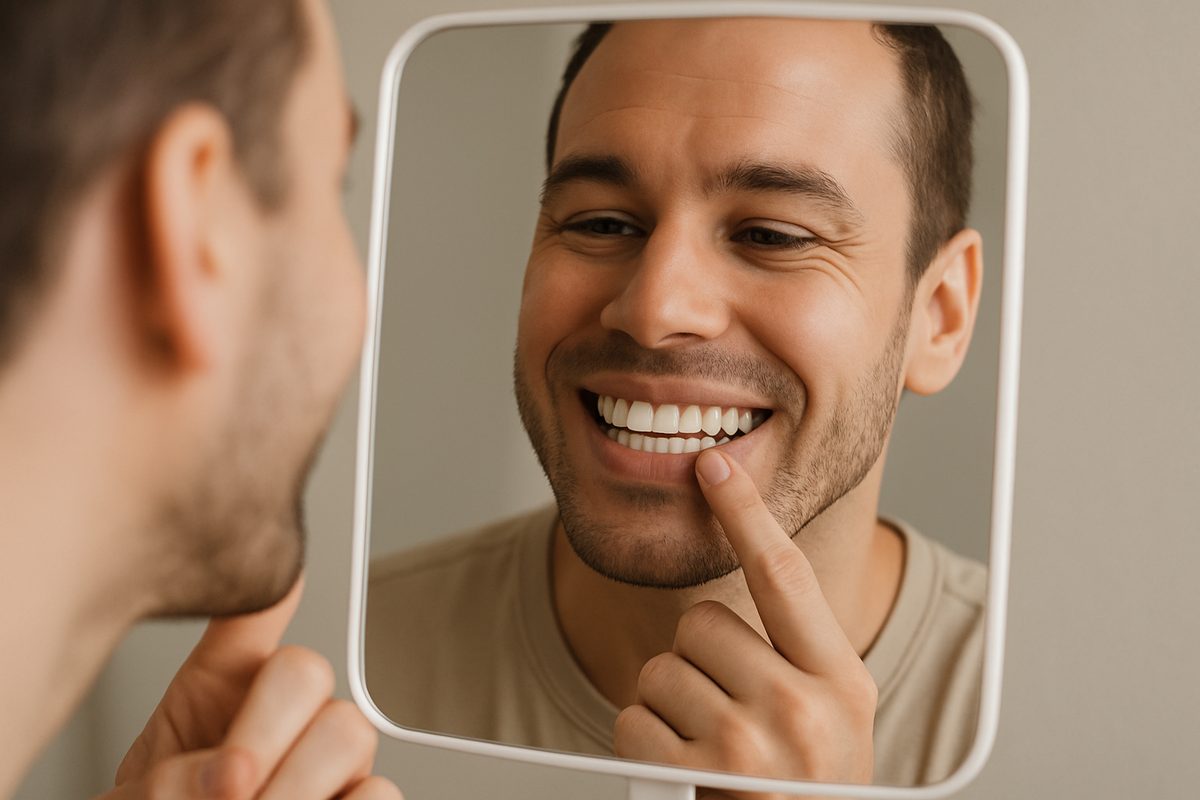
Considering a brighter, more even smile? This guide explains what cosmetic veneers in Cambridge, OH are, who benefits from them, and the real steps to take if you’re deciding between veneers and other options. Read on for clear next steps you can use at your consultation.
This is for adults who want to fix color, shape, small gaps, or worn teeth. You’ll learn how veneers work, how to care for them, when to call your dentist, and alternatives, so you can make an informed choice.
What are cosmetic veneers?
Cosmetic veneers are thin shells—usually porcelain or composite—bonded to the front of your teeth. They change tooth color, shape, and size to create a more uniform smile. Unlike crowns, veneers cover only the front surface and often need less tooth removal. Many patients opt for cosmetic veneers to achieve predictable, long-lasting aesthetic results.
Who is a good candidate?
Veneers suit people who have:
- Stains that don’t respond to whitening
- Small chips or worn edges
- Mild gaps or slightly misaligned front teeth
- Healthy gums and enough enamel for bonding
If you have large fillings, active decay, or severe alignment issues, your dentist may suggest other treatments first.
The cosmetic veneers procedure
Typical steps are:
- Consultation and photos or a digital mock-up
- Minor enamel shaping (if needed) and impressions
- Temporary veneers while the lab makes the final ones
- Final fitting and bonding of the veneers
With modern digital tools, you can often preview expected results before final placement. Ask about material options—porcelain lasts longer and resists stains better than composite.
Care, risks, and maintenance
Veneers are durable but not indestructible. Expect 10–15 years or longer with proper care and maintenance. Risks include increased sensitivity after prep, chips from hard impacts, and visible margins if gums recede. Regular dental checkups help spot issues early and extend the life of the veneer.
Long-Term Care and Troubleshooting for Cosmetic Veneers
Daily care routine for cosmetic veneers
Keep veneers lasting longer with simple habits:
- Brush twice daily with a non-abrasive toothpaste
- Floss daily to protect gum health and margins
- Use an alcohol-free mouthwash to avoid weakening bonds
Foods and habits to avoid
Avoid or limit:
- Staining foods/drinks: coffee, red wine, dark berries, soy sauce
- Hard items: ice, hard candy, popcorn kernels
- Bad habits: chewing pens, fingernails, or using teeth as tools
Managing teeth grinding and night guards
Bruxism (teeth grinding) increases the risk of cracks and loosening. A custom night guard can protect veneers and natural teeth. If you grind, discuss a protective guard at your visit.
Troubleshooting: when to call your dentist
Contact your dentist right away for:
- Sudden pain or prolonged sensitivity
- A loose or chipped veneer
- A visible margin or gap forms between the tooth and the veneer
Small chips may be repaired. A loose or significantly damaged veneer often needs replacement. Your dentist will inspect, take X-rays if needed, and recommend repair or remake.
Alternatives to Cosmetic Veneers and When to Choose Them
Teeth whitening and bonding vs. cosmetic veneers
Use whitening for surface stains only. Composite bonding fixes small chips and reshapes teeth with less prep and lower cost, but can stain and wear faster. Cosmetic veneers in Cambridge, OH offer a more durable, stain-resistant, and predictable cosmetic result than bonding.
Orthodontics (Invisalign) for alignment issues
If spacing or crookedness is the primary issue, clear aligners gently move your natural teeth without removing any enamel. Choose orthodontics when you want lasting changes to your tooth position. Choose veneers when color and shape need correction, and you accept minimal enamel removal.
Crowns, onlays, and restorative options for damaged teeth
Teeth with large fillings, cracks, or structural damage often need crowns or onlays. These restore strength over aesthetics alone. Veneers are best for primarily cosmetic concerns with enough healthy tooth left.
Quick Decision Checklist: Are Cosmetic Veneers Right for You?
- Goal: improve color/shape — good fit for veneers
- Tooth health: minimal decay and healthy gums required
- Budget: Veneers cost more than whitening or bonding
- Enamel: enough enamel needed for strong bonding
- Prep willingness: Veneers are often irreversible
How to choose a provider and next steps
Look for a dental team with experience in cosmetic restorations and digital workflows. Request to see before-and-after photos and ask for a digital mock-up of your expected result. Confirm what materials they use and whether they offer financing or in-network benefits.
At Woodlawn Dental Center in Cambridge, OH, clinicians utilize digital planning, CEREC, and porcelain materials to achieve predictable cosmetic results. If you’re considering cosmetic veneers in Cambridge, OH, schedule a consultation to review goals, view sample cases, and get a transparent cost and care plan. A proper consultation will provide you with a clear next step: treatment, alternatives, or a second opinion.